

Strong Legs Clear Mind
Author: Farmer Kelley
There is something I notice as I move through the pasture in the early morning light.
The animals that age well… keep moving.
Not frantically. Not forcefully. But steadily. Their strength carries them. Their footing stays sure because their muscles remain engaged. Strength protects more than appearance—it protects capacity.
Lately, I’ve been thinking about this in terms of brain health.
Many of us carry a quiet fear of Dementia and Alzheimer’s. We’ve seen it up close. We’ve watched memories thin out like worn pasture grass. And the helplessness of it lingers.
But what brings me hope is this: more and more research suggests that the way we move our bodies—especially how we build muscle—has a profound relationship with how our brains age.
Strength training.
Walking daily.
Challenging balance.
Protecting metabolic health.
These are not vanity pursuits. They are neurological investments.
There’s an Instagram account called Booty & Brains that speaks directly to this connection—building glute strength and lower-body muscle not just for aesthetics, but for cognitive longevity. It may sound playful at first glance, but the science beneath it is serious: muscle mass improves insulin sensitivity, supports vascular health, and increases brain-derived neurotrophic factors that help protect cognitive function as we age.
Strong legs. Better blood flow. More resilience upstairs.
Out here, I see the parallel every day. Animals with strong hindquarters navigate uneven ground with confidence. They rise easily. They remain steady longer into their years.
For us, this may look like lifting weights twice a week. Prioritizing protein at breakfast. (I am guilty of skipping this step – but recently was turned on to eating a bowl of soup in the morning)
Walking after dinner instead of scrolling.
Learning something new that stretches the mind.
None of it guarantees a particular outcome. But it shifts the terrain in our favor.
We cannot control everything about aging. But we can stave off sarcopenia & cultivate resilience—muscular, metabolic, neurological.
Longevity is not just about adding years.
It is about preserving clarity.
Independence.
Presence.
And perhaps the work begins with something as simple as strengthening the body that carries the brain.
With steadiness and intention,
Farmer Kelley
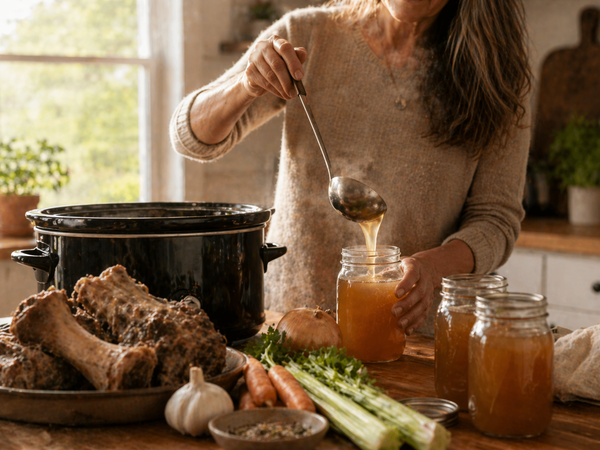
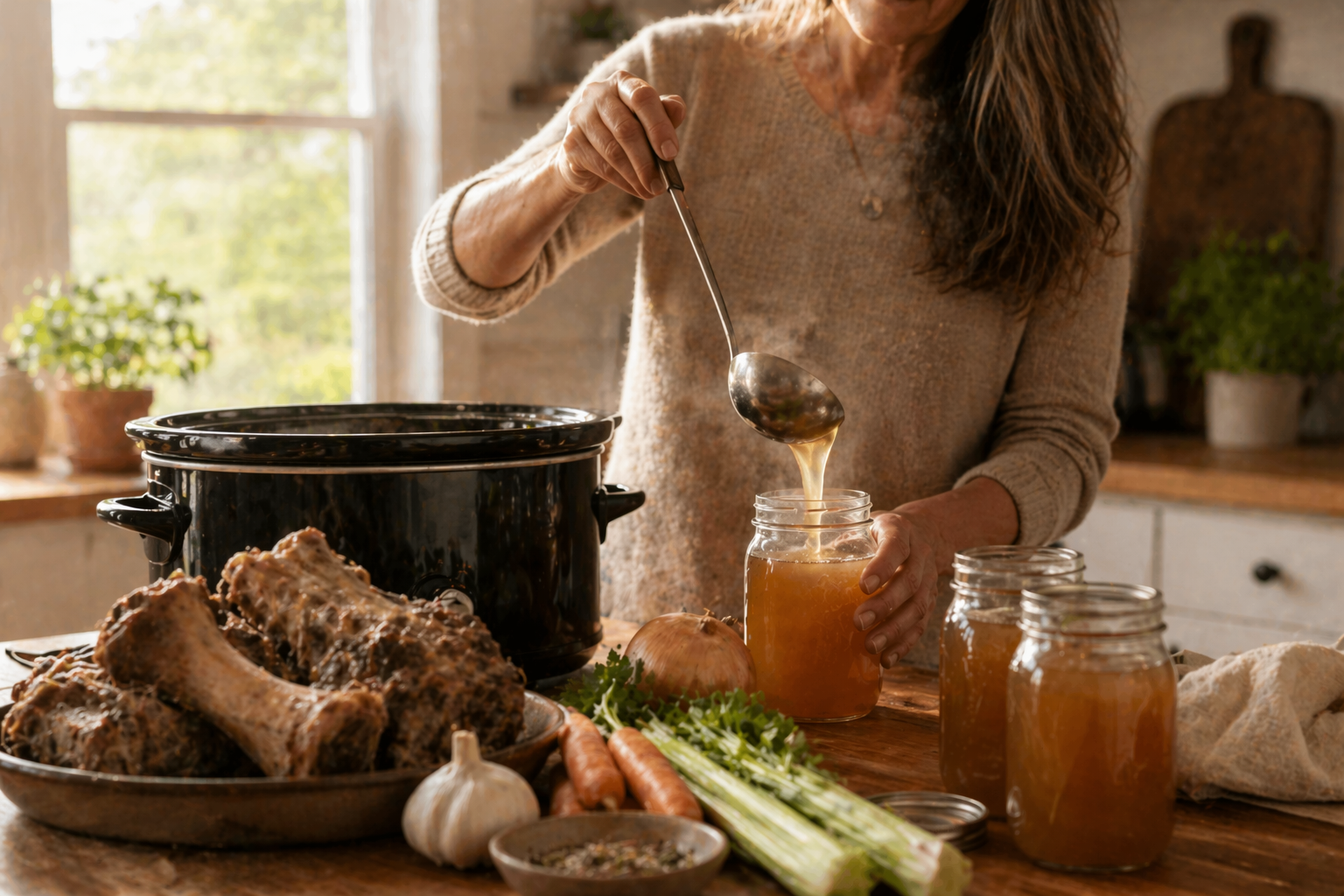
To make beef broth in a crock pot, follow these steps:
-
Ingredients: Use Rose Veal beef bones, water, vegetables (like carrots, celery, and onions), garlic, and apple cider vinegar.
-
Preparation: Roast the bones in the oven at 400°F (200°C) for about 20 minutes before adding them to the crock pot for enhanced flavor.
-
Cooking: Add all ingredients to the crock pot, cover with water, and cook on low for 12 to 24 hours to extract maximum flavor and nutrients.
-
Strain and Store: After cooking, strain the broth through a fine mesh sieve and store it in jars or containers. You can freeze it for later use.

Recipes you want to make with meats
that nourish your health.
Call Us : 860-379-8961